Key facts
- Cusco → Santa María → Santa Teresa → Hidroeléctrica by road: about 6 to 7 hours, crossing the Abra Málaga pass.
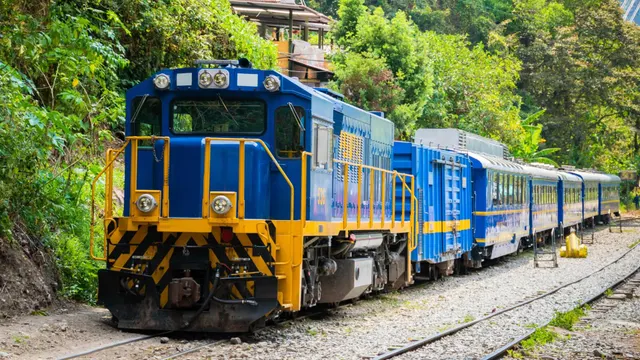
- From Hidroeléctrica: about 2 h 30 min on foot alongside the tracks, or 40 to 45 minutes on PeruRail’s Expedition train.
- There’s no road between Santa Teresa and Aguas Calientes: only on foot or by train.
- You need at least one night in Aguas Calientes; the most comfortable option is three days.
- It’s the cheapest option, and the best time to go is the dry season, from May to October.
In this guide
- The Route at a Glance
- Leg by Leg: Reference Times and Costs
- Three Ways to Do the Route
- The Hike from Hidroeléctrica
- The Short Train from Hidroeléctrica
- Sample Itinerary via Hidroeléctrica
- Hidroeléctrica or the Train: Comparison
- When to Go and What to Keep in Mind
- Common Mistakes
- Bottom Line: Is Hidroeléctrica Right for You?
The Hidroeléctrica route is the cheapest way to get to Machu Picchu on your own. You travel by road from Cusco to Santa María, Santa Teresa and the hydroelectric plant, in about 6 to 7 hours, and from there you walk about 2 h 30 min alongside the railroad tracks to Aguas Calientes, or take a short train of about 45 minutes. You skip the train from Cusco in exchange for a full day of travel.
The Route at a Glance
There’s no road to Aguas Calientes. This route circles around the mountain from the other side: it crosses the Andes at the Abra Málaga pass, drops into the cloud forest and reaches the hydroelectric plant, where the road ends. From there you can only continue on foot or by train.
- Cusco → Santa María: bus along a mountain road, crossing the Abra Málaga pass at over 4,300 m.
- Santa María → Santa Teresa: shared van (colectivo) through the valley, by now in a warm climate.
- Santa Teresa → Hidroeléctrica: shared van (colectivo) to the end of the road.
- Hidroeléctrica → Aguas Calientes: on foot alongside the tracks and the Vilcanota River, or on PeruRail’s Expedition train.
- Aguas Calientes → citadel: the next day, by bus or on foot, like any other visitor.
Keep the change in altitude in mind: you climb from about 3,400 m in Cusco to over 4,300 m at the Abra Málaga pass, then drop to about 1,890 m at Hidroeléctrica. If you’ve just arrived in Cusco, acclimatize for a couple of days first. You’ll find the key tips in altitude sickness in Cusco.
Leg by Leg: Reference Times and Costs
| Leg | Transportation | Approximate time | Reference cost |
|---|---|---|---|
| Cusco → Santa María | Bus | 5 h | US$20 |
| Santa María → Santa Teresa | Shared van (colectivo) | 1 h | US$8 |
| Santa Teresa → Hidroeléctrica | Shared van (colectivo) | 40 min | US$5 |
| Hidroeléctrica → Aguas Calientes | On foot alongside the tracks | 2 h 30 min | Free |
| Hidroeléctrica → Aguas Calientes | PeruRail’s Expedition train | 40 to 45 min | See PeruRail’s booking site |
Fares checked on October 22, 2026. Confirm them on the official channel before you buy.
Reference times and costs published by PeruRail. They vary by company, season and road conditions. In total, that’s about 6 to 7 hours on the road, plus the hike.
Three Ways to Do the Route
On Your Own, by Public Transportation
It’s the cheapest and slowest option. In Cusco you take a bus that goes through Santa María and, from there, shared vans (colectivos) to Santa Teresa and then on to Hidroeléctrica. It works well if you travel light, speak some Spanish and don’t mind waiting for the van to fill up. Leave early: that way you reach Hidroeléctrica with enough daylight to hike.
By Shared Tourist Transportation
Many agencies in Cusco sell direct shared transfers to Hidroeléctrica, with pickup downtown and no change of vehicle. They cost a bit more than public transportation, but they save you the connections. Always ask whether the company is licensed and what time the return trip leaves. A taxi or private car is also an option, though much more expensive than the bus.
As Part of a Trek
The Salkantay and the Inca Jungle both end in this area: on the last day you reach Hidroeléctrica and hike to Aguas Calientes. If you want the route to be part of the adventure and not just a transfer, a multi-day trek is the way to do it. All the options are compared in treks to Machu Picchu compared.
The Hike from Hidroeléctrica
This is the stretch that made the route famous. The path follows the railroad tracks along the Vilcanota River, almost flat, through cloud-forest vegetation. It’s about 11 km and about 2 h 30 min at a normal pace. You can’t get lost: just follow the tracks to town.
- Heat and humidity: during the day it can reach 30 °C. Bring plenty of water, a cap and sunscreen.
- Mosquitoes: there are lots of them in the area. Use repellent from Santa Teresa on.
- Trains: the tracks are in use. Walk on the side path, never on the rails, and step aside in good time when you hear a train.
- Daylight: try to finish before dark. If you’re running late, bring a headlamp.
- Luggage: hike with a light backpack. Your big suitcase stays in Cusco.
Tip: if you reach Hidroeléctrica late, tired or in the rain, don’t push the hike. The 2:50 p.m. train arrives in Aguas Calientes at 3:34 p.m., and it’s the safest way to end the day.
The Short Train from Hidroeléctrica
PeruRail runs Expedition-class trains between Hidroeléctrica and Aguas Calientes. According to its published schedule (checked in October 2026):
| Direction | Departure | Arrival | Season |
|---|---|---|---|
| Hidroeléctrica → Aguas Calientes | 7:54 a.m. | 8:35 a.m. | Year-round |
| Hidroeléctrica → Aguas Calientes | 2:50 p.m. | 3:34 p.m. | Year-round |
| Aguas Calientes → Hidroeléctrica | 6:45 a.m. | 7:29 a.m. | Year-round |
| Aguas Calientes → Hidroeléctrica | 1:30 p.m. | 2:15 p.m. | Year-round |
| Aguas Calientes → Hidroeléctrica | 6:00 p.m. | 6:31 p.m. | January to April only |
There are few departures, so don’t leave it to the last minute. Book on the PeruRail website and confirm the schedule: it changes with the season. The other classes and stations are in our guide to the train to Machu Picchu.
Sample Itinerary via Hidroeléctrica
On this route, Machu Picchu doesn’t fit into a single day. The reasonable minimum is two days with a night in Aguas Calientes, and the most comfortable option is three.
In Two Days
- Day 1: early departure from Cusco, arrival at Hidroeléctrica in the early afternoon and hike to Aguas Calientes. Night in town.
- Day 2: entry in an early time slot, a 2- to 3-hour visit and back down to town. Return to Hidroeléctrica on foot or on the 1:30 p.m. train, and transportation to Cusco in the afternoon. You arrive at night.
It works, but it’s very tight: if your visit runs long or the return transportation leaves earlier, you miss the connection. Don’t combine it with a mountain.
In Three Days
- Day 1: Cusco → Hidroeléctrica → Aguas Calientes, as above. You can also stay in Santa Teresa and soak in the Cocalmayo hot springs.
- Day 2: Machu Picchu at a relaxed pace, even with a mountain, and a second night in town.
- Day 3: return to Cusco via Hidroeléctrica or, if you’d rather skip the road, by train to Ollantaytambo.
Choose your route inside the citadel in Machu Picchu circuits and book your Machu Picchu ticket first: transportation adapts to the ticket, not the other way around.
Hidroeléctrica or the Train: Comparison
| Criterion | Hidroeléctrica route | Train from Ollantaytambo |
|---|---|---|
| Time from Cusco to Aguas Calientes | A full day: 6 to 7 h on the road + 2 h 30 min on foot | About 3 h 30 min to 4 h, including the transfer to Ollantaytambo |
| Cost | Low | Medium to very high, depending on the class |
| Effort | Medium: lots of curves and a flat hike | Low |
| Days needed | At least 2, ideally 3 | Can be done as a day trip |
| Risks | Landslides in the rainy season, delays on the road | Occasional cancellations due to incidents on the tracks |
| Best for | Backpackers with time and a tight budget | Short trips, families and anyone who wants comfort |
A combination we often recommend to backpackers: go via Hidroeléctrica and come back by train. You see the cloud forest and don’t repeat the day on the road. To work out the numbers for your trip, check our budget for a trip to Cusco and Machu Picchu.
When to Go and What to Keep in Mind
The best time is the dry season, from May to October. In the rainy season, from November to March, the road to Santa María and Santa Teresa can be hit by landslides, and the trip can drag on or be cut short. Check the Cusco weather month by month before you set your dates.
Important: the road has hairpin turns and steep grades. Travel only with licensed transportation companies, during the day, and if you get carsick, take motion-sickness medication before you leave, as PeruRail recommends.
What to Bring
- Your original passport: you’ll be asked for it on the bus from Aguas Calientes and at the Machu Picchu gate.
- Layers: it’s cold at the Abra Málaga pass and hot at Hidroeléctrica. At night, in the lower area, it’s around 10 °C.
- Comfortable walking shoes, a cap, sunscreen and repellent.
- Water and some food for the road trip.
- Cash in soles for shared vans and small purchases.
- A copy of your itinerary and your hotel’s or agency’s phone number, in case you’re delayed.
For the citadel backpack rules and prohibited items, review what not to bring to Machu Picchu.
Common Mistakes
- Trying to go and come back in one day: there isn’t enough time. You need at least one night in town.
- Leaving Cusco late: you’ll reach Hidroeléctrica with little daylight left for the hike.
- Going in the middle of the rainy season with no margin: a landslide can set you back hours.
- Walking on the rails: the tracks are in use all day.
- Buying transportation before the ticket: without an entry ticket, the trip is useless.
- Not booking the short train: if you plan to return to Hidroeléctrica by train, buy your ticket in advance.
Bottom Line: Is Hidroeléctrica Right for You?
- Yes, if you’re on a tight budget, have two or three days and are traveling between May and October.
- Yes, if you’re doing the Salkantay or the Inca Jungle: you’ll already finish in this area.
- No, if you only have one day or are traveling with young children: the train from Ollantaytambo is more practical and lets you sleep a night in Aguas Calientes without losing a day on the road.
- No, if you’re traveling from November to March and have no margin for the unexpected.
Once you’re in town, the last stretch is the same for everyone: read our guide to the bus to Machu Picchu and the services in Aguas Calientes. If you’re still comparing options, they’re all in how to get to Machu Picchu from Cusco.
Frequently asked questions
How much does it cost to get to Machu Picchu via Hidroeléctrica?
Based on PeruRail’s reference costs, about US$33 one way, adding up the bus and the shared vans to Hidroeléctrica. The hike is free; the short train has its own fare.
Can you do the Hidroeléctrica route in one day?
It isn’t feasible to go, visit Machu Picchu and come back on the same day. At a minimum, you need two days with a night in Aguas Calientes.
What time does the train from Hidroeléctrica to Aguas Calientes leave?
On PeruRail’s published schedule, at 7:54 a.m. and 2:50 p.m., with a ride of about 40 to 45 minutes. Confirm the schedule when you book.
Is the hike from Hidroeléctrica to Aguas Calientes hard?
It isn’t technical: it’s almost flat and follows the railroad tracks. What wears you out is the heat, the humidity and arriving after many hours on the road.
Is the Hidroeléctrica route safe?
It’s very well traveled, but it’s a mountain road and there can be landslides in the rainy season. Travel during the day, with licensed transportation companies and, if you can, between May and October.
Can I go via Hidroeléctrica and come back by train?
Yes, and it’s a very practical combination: you see the cloud forest on the way there and return by train to Ollantaytambo without repeating the day on the road.
Where should I stay on the Hidroeléctrica route?
Most people stay in Aguas Calientes, close to the bus to the citadel. Santa Teresa also has hotels, hostels and guesthouses.
Official sources
- PeruRail: the Hidroeléctrica route perurail.com
- PeruRail: schedules and frequencies perurail.com
Aguas CalientesMachu PicchuSalkantay

How we put this guide together
Written by Paul Pumalloclla · 17 years in tourism
- Official sources Prices, opening hours and rules checked against Peru’s Ministry of Culture, SERNANP, PromPerú and the train and bus operators.
- Sources cited Every guide links to the sources we used at the end.
- Always up to date When a rule changes, we update the guide and its date.
We’re not a travel agency: we don’t sell tours or take bookings. If a link belongs to a commercial partner, we label it next to the link, and that never changes the facts or the recommendations.
Guide history
- Published
- Last reviewed
Spotted something out of date?
Let us know and we’ll check it against the official source.
Report a change