Key facts
- Dress in layers: a quick-dry base layer, a fleece or down jacket and a rain jacket, because it’s warm by day and can freeze at night.
- In the dry season, pack extra warmth for the nights; from December to March, prioritize a poncho, a backpack rain cover and waterproof shoes.
- Travel with two bags: your suitcase stays in Cusco or the valley, and a small backpack rides the train and goes into Machu Picchu (40 × 35 × 20 cm max).
- Bring the original ID you used to buy your tickets: a passport, or a DNI or national ID card if you’re Peruvian or from the Andean Community.
- Peru uses 220 V and type A and C outlets; most chargers handle 100-240 V and only need an adapter.
- High-SPF sunscreen all year, cash in soles and your prescription medications in your carry-on.
In this guide
For Cusco you need to dress in layers: quick-dry T-shirts, a thermal base layer, a fleece or down jacket and a rain jacket, because at midday you can be in a T-shirt and at night it can drop to around 0 °C. Add broken-in hiking shoes, high-SPF sunscreen, your original passport and a small backpack for Machu Picchu. What changes with the season is how heavy your warm layers are and how much rain gear you bring.
Below you’ll find the full list by category, what to add depending on the month and your itinerary, and the luggage limits for the train and for Machu Picchu, which are worth knowing before you pack.
The 10 essentials
Without these ten things you’ll have a hard time or end up buying them there:
- Your original passport, or your DNI or national ID card if you’re Peruvian or from the Andean Community: the same one you used to buy your tickets.
- A waterproof, windproof jacket, even in the dry season.
- A fleece or light down jacket for the evenings.
- A thermal base layer for predawn starts and mountain excursions.
- Hiking shoes or boots with good grip, already broken in.
- High-SPF sunscreen, sunglasses and a cap or hat.
- A wool beanie and gloves.
- A daypack no bigger than 40 × 35 × 20 cm, the maximum allowed at Machu Picchu.
- Your regular medications, with the prescription, in your carry-on.
- A reusable water bottle and lip balm: the air is very dry.
Clothing: the layering system
Cusco’s daytime high barely changes through the year, between 20 and 22 °C, but at night it can fall below 0 °C in the dry season, according to the SENAMHI climate normals we explain in our guide to Cusco weather by month. On top of that, on a single trip you go from the cloud forest of Machu Picchu to mountain passes above 4,500 m. That’s why one heavy garment won’t do: you need layers you can take off and put back on throughout the day.
Base layer: the one next to your skin
- Short- and long-sleeve quick-dry T-shirts, in technical fabric or merino wool.
- A thermal top and leggings for sleeping and for predawn outings.
- Hiking socks: one pair per day of hiking, plus a spare.
Avoid cotton for hiking: it soaks up sweat and takes a long time to dry, which at altitude means feeling cold.
Mid layer: warmth
- A medium-weight fleece.
- A light, packable down or synthetic-fill jacket. It’s the piece you’ll wear most at night.
Outer layer: rain and wind
- A breathable rain jacket with a hood.
- A lightweight rain poncho, very handy in the rainy season because it covers your backpack too.
- Optional: rain pants if you’ll be trekking between November and March.
The rest of your clothes
- Two comfortable pairs of hiking pants and one for the city.
- A wool beanie, gloves and a scarf or fleece neck gaiter.
- A cap or wide-brimmed hat.
- A swimsuit if you plan to visit the hot springs in Aguas Calientes or on a trek.
- Warm pajamas: many homes and budget hotels don’t have central heating.
Tip: don’t pack an outfit for every day. Cusco has plenty of laundromats that charge by the kilo and usually have your clothes back the same day or the next. For a week, four or five T-shirts are more than enough.
What to add by season
The basics are the same all year. This table sums up what changes depending on the month you travel:
| Season | What the weather is like | Prioritize | You can leave at home |
|---|---|---|---|
| Dry (May to September) | Sunny days, almost no rain; nights below 0 °C in June and July | Down jacket, thermal base layer, beanie, gloves and sunscreen | Rain pants |
| Shoulder (April, October and November) | Sunny mornings, the odd afternoon shower, cool nights | Fleece, light rain jacket and layers that are easy to take off | A very heavy coat, except for the high mountains |
| Rainy (December to March) | Frequent showers in the afternoon or evening; less cold at night | Poncho, backpack rain cover, waterproof shoes and dry bags | Cotton clothes that take a long time to dry |
| Year-round | Very high ultraviolet radiation | High-SPF sunscreen, sunglasses, a hat and lip balm | Nothing: the high-altitude sun burns even through clouds |
In June, Inti Raymi week coincides with some of the coldest nights of the year. If you’re going to the ceremony at Sacsayhuamán, bring warm clothes for many hours outdoors and sun protection for midday.
Footwear
- Hiking shoes or boots with grippy soles. They’re your main footwear: the stone streets of the center are slippery and the ruins have lots of stairs.
- Broken-in mid-height boots if you’ll be doing the Inca Trail, the Salkantay or another multi-day trek. Never wear them for the first time on the trip.
- Light, comfortable shoes for the city and the evenings, and sandals if you’re staying in Aguas Calientes or doing a trek that drops down into the jungle.
In the rainy season, waterproof footwear makes all the difference. And remember that high heels and hard-soled shoes aren’t allowed at Machu Picchu.
What to pack for your itinerary
Cusco city and the Sacred Valley
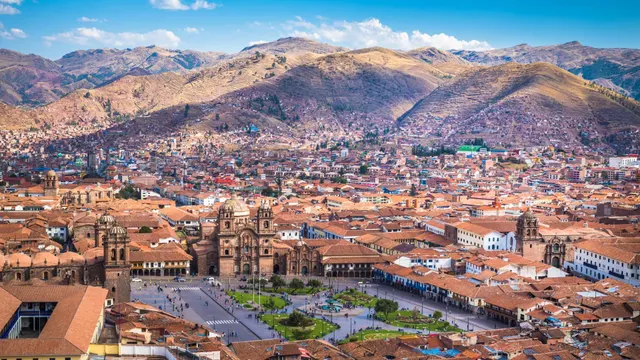
For the historic center, the ruins just outside the city and trips to the valley, a daypack with water, sunscreen, a warm layer and your rain jacket is all you need. Always carry your Cusco Tourist Ticket with your ID, because you’ll be asked for it at every site.
Machu Picchu and Aguas Calientes
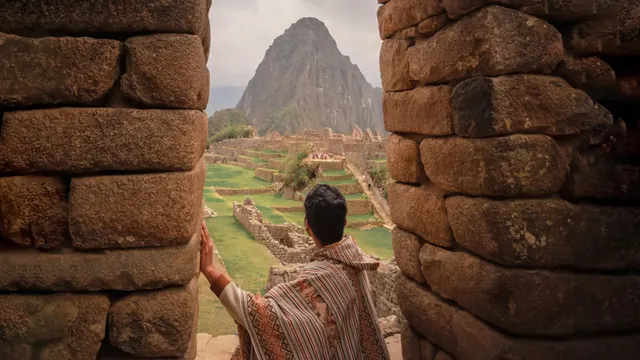
Machu Picchu sits in the cloud forest at 2,430 m: it’s warmer and more humid than Cusco. Bring light clothing, a layer for the early-morning time slots, a poncho and insect repellent in cream or lotion form. Food, trekking poles, umbrellas, tripods and backpacks larger than 40 × 35 × 20 cm aren’t allowed inside the sanctuary: the full list of rules is in what not to bring to Machu Picchu.
The train limits luggage too. PeruRail allows one backpack up to 8 kg and 100 linear cm or one carry-on bag up to 12 kg and 115 cm, and Inca Rail allows one bag up to 8 kg and 118 linear cm. Your big suitcase stays at your hotel in Cusco or, if you’re traveling with PeruRail, at its free luggage storage at Ollantaytambo station. The details are in our guide to the train to Machu Picchu.
Important: plan your trip around two bags. A suitcase that stays in Cusco or the Sacred Valley, and a small backpack with what you need for one or two nights, which is the one that rides the train and then goes into Machu Picchu.
High-mountain excursions
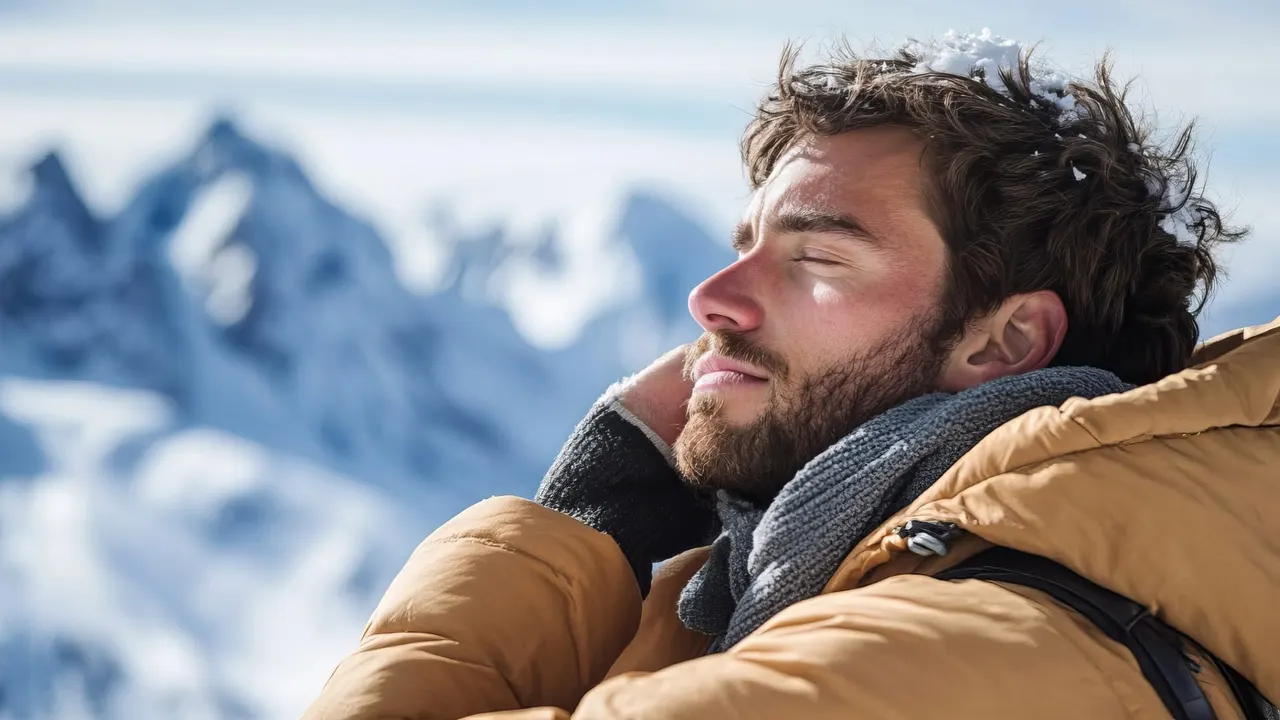
Rainbow Mountain, at 5,036 m, and Humantay Lake, at 4,200 m, leave Cusco between 4:00 and 4:30 a.m. At that hour and at that altitude it’s very cold, and the weather can turn from sunshine to hail in no time. For a day trip to either one, bring:
- A thermal base layer, fleece, down jacket and rain jacket.
- A beanie, gloves and a neck gaiter.
- Sunscreen, sunglasses and lip balm.
- Water and a snack for the hike.
- Cash in soles for the entrance fee and, if you need one, the horse.
Multi-day treks
On the Inca Trail, the Salkantay or Lares you sleep in camps and cross passes between 4,215 m and 4,630 m, before dropping down into the cloud forest. On top of the basic list, you’ll need:
- A sleeping bag rated for below-freezing temperatures. Inca Trail agencies usually rent them out.
- Trekking poles, also available for rent. Note: they aren’t allowed into Machu Picchu.
- A headlamp with spare batteries.
- Warm clothes for sleeping and a dry change of clothes packed in a dry bag.
- Water purification tablets or a filter, wet wipes, toilet paper and a bag for your trash.
- Sandals for camp.
What the agency carries and what you carry depends on the trek. On the classic 4-day Inca Trail, porters carry the tents, kitchen and food, and you can usually hire a personal porter for up to 7 kg of your things; on the Salkantay, the gear goes on mules. Compare routes in our Machu Picchu treks comparison.
Documents and money
- Original ID document: a passport for foreigners; a physical DNI for Peruvians; a passport or national ID card for citizens of Bolivia, Colombia and Ecuador; a foreign resident card (carné de extranjería) for residents. It must be the same one you used to buy your Machu Picchu ticket, your train and your other services.
- A valid student ID, if you’re going to use a student rate. Check the requirements in Machu Picchu ticket types.
- Digital copies of your passport, insurance and all your bookings, also saved for offline access.
- Travel insurance with medical coverage. If you’ll be trekking or going on excursions above 4,000 m, make sure it doesn’t exclude high-altitude activities.
- Cash in soles for markets, community entrance fees, taxis, tips and small shops, which often don’t take cards.
- A debit or credit card, plus a backup card kept separately.
First-aid kit and health
- Your regular medications, enough for the whole trip, with the prescription.
- Whatever your doctor recommends for the altitude. Read our guide to altitude sickness in Cusco first: the most effective measure doesn’t go in your suitcase, it’s acclimatizing gradually.
- Common painkillers, oral rehydration salts and something for your stomach, as long as your doctor approves.
- Band-Aids or blister dressings, essential if you’re hiking for several days.
- Insect repellent for Machu Picchu and the lowlands. The CDC recommends products with 20% DEET or more.
- High-SPF sunscreen, lip balm with SPF and moisturizer.
- Hand sanitizer.
About vaccines: according to the CDC, the yellow fever vaccine isn’t recommended if your trip is limited to the city of Cusco, the Inca Trail, Machu Picchu and Lima, but it is recommended for areas below 2,300 m east of the Andes, such as the Madre de Dios rainforest. There’s no malaria transmission in Cusco or Machu Picchu either. If you’re adding the Amazon to your trip, book an appointment at a travel medicine clinic well in advance.
Tip: don’t drink tap water without boiling or filtering it. A reusable bottle with a filter saves you from buying plastic and is very handy on treks. And if you’re offered coca tea, enjoy it there, but don’t buy coca leaves to take home: the coca leaf is still on Schedule I of the 1961 Single Convention on Narcotic Drugs, and importing it is banned in many countries.
Electronics
- Plug adapter: Peru runs on 220 V, and outlets are type A, with flat prongs, and type C, with round prongs.
- Check your chargers: phone, camera and laptop chargers usually handle 100 to 240 V and only need the adapter. 110 V hair dryers or straighteners need a voltage converter, or better yet, leave them at home.
- Power bank: excursion days start before dawn and end after dark. Mountain cold drains batteries faster.
- Headlamp: for treks, predawn starts and the occasional power outage.
- A waterproof case or dry bag for your phone in the rainy season.
- Offline maps downloaded to your phone: there are stretches with no coverage on mountain routes and on the train.
What not to bring and what to buy there
Leave at home
- Large, hard-shell suitcases if you’ll be moving around a lot: they don’t fit on the train and they’re hard to drag over cobblestone streets.
- An umbrella: it’s banned at Machu Picchu and useless in mountain wind. Bring a poncho instead.
- A drone, tripod or selfie stick if your trip revolves around Machu Picchu, where they aren’t allowed.
- Jewelry and valuables.
- Too many clothes: it’s the thing people overpack most.
You can buy in Cusco
- Alpaca wool beanies, gloves, scarves and sweaters, at markets and craft shops in the center and in San Blas.
- Rain ponchos, at shops and markets in Cusco and Aguas Calientes.
- Trekking gear for rent, such as sleeping bags or poles: ask your agency first, since they usually offer it.
- Sunscreen, repellent and common medications, at pharmacies in the center.
It’s a good idea to leave some room in your suitcase for the trip home. Cusco’s textiles are among the loveliest souvenirs of the trip, and the San Blas neighborhood is full of artisan workshops.
Summary: your suitcase for your kind of trip
- Short trip to the city, the valley and Machu Picchu: the basic list with layers, a rain jacket and a small backpack. It’s also enough for two days with a night in Aguas Calientes.
- Dry season: add extra warmth for the nights and don’t forget your sunscreen.
- Rainy season: a poncho, backpack rain cover, waterproof shoes and dry bags.
- With high mountains: a thermal base layer, down jacket, beanie, gloves and cash for the entrance fee.
- With a multi-day trek: broken-in boots, a sleeping bag, a headlamp and poles, which you can rent.
- With kids: bring a baby carrier instead of a stroller and check our tips for Machu Picchu with kids.
Once your bag is packed, the next step is to plan your days so you acclimatize well and make the most of your trip: take a look at our 3, 5 and 7-day Cusco itinerary.
Frequently asked questions
What should I wear in Cusco in July?
Warm clothes for the nights, which are the coldest of the year and can drop below 0 °C: a thermal base layer, down jacket, beanie and gloves. During the day, in the sun, you’ll be in a T-shirt, so bring sunscreen too.
Do I need rain gear in the dry season?
Yes, at least a light rain jacket or a poncho. The weather changes quickly in the mountains, and it can rain at Machu Picchu in any month.
Can I bring a suitcase on the train to Machu Picchu?
No: only carry-on luggage of about 8 kg is allowed. Leave your suitcase at your hotel in Cusco or in luggage storage and travel with a small backpack.
Do I need a plug adapter in Peru?
It depends on your country. Peru uses type A (flat) and type C (round) outlets at 220 V; if yours are different, bring an adapter.
What shoes should I wear in Cusco and Machu Picchu?
Broken-in hiking shoes or boots with good grip, because the stone streets are slippery and there are lots of stairs. High heels and hard soles aren’t allowed at Machu Picchu.
Do I need a yellow fever vaccine for Cusco and Machu Picchu?
According to the CDC, it isn’t recommended if your trip is limited to Cusco, the Inca Trail, Machu Picchu and Lima. It is recommended if you’re going to the lowland jungle, below 2,300 m.
Can I bring coca leaves home as a souvenir?
It’s not a good idea: the coca leaf is under international control as a narcotic and many countries ban bringing it in. Enjoy coca tea in Peru and keep it out of your suitcase on the way home.
Should I bring dollars or soles to Cusco?
Carry cash in soles for markets, taxis, community entrance fees and tips. For everything else, bring a card plus a backup card kept separately.
Official sources
- Peru’s Ministry of Culture: rules of conduct at Machu Picchu machupicchu.gob.pe
- PeruRail: luggage policy perurail.com
- Inca Rail: luggage policy incarail.com

How we put this guide together
Written by Paul Pumalloclla · 17 years in tourism
- Official sources Prices, opening hours and rules checked against Peru’s Ministry of Culture, SERNANP, PromPerú and the train and bus operators.
- Sources cited Every guide links to the sources we used at the end.
- Always up to date When a rule changes, we update the guide and its date.
We’re not a travel agency: we don’t sell tours or take bookings. If a link belongs to a commercial partner, we label it next to the link, and that never changes the facts or the recommendations.
Guide history
- Published
- Last reviewed
Spotted something out of date?
Let us know and we’ll check it against the official source.
Report a change